Source scroll ac compressor for toyota for Cars, Trucks, Vans
Find and compare 30 scroll ac compressor for toyota options from verified suppliers. Evaluate key specifications such as R134a refrigerant compatibility, 12V operating voltage, and piston or rotary structures to identify suitable replacements for automotive air conditioning systems.
Key considerations
Products List


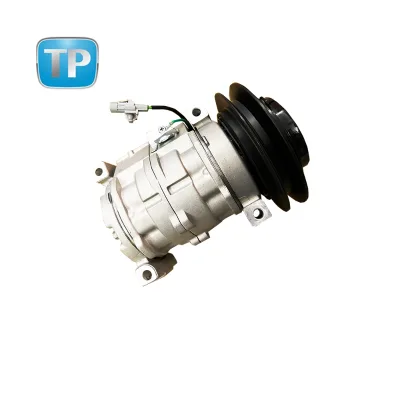


Comprehensive Sourcing Guide
Scroll Ac Compressor For Toyota Sourcing Guide
Sourcing replacement air conditioning components for Toyota vehicles requires a precise understanding of the mechanical distinctions between compressor technologies. While the core keyword highlights scroll compressors, the available market data indicates a significant presence of piston and rotary vane types in the current supply chain. Buyers must carefully distinguish between these mechanisms, as the internal architecture of a scroll compressor differs fundamentally from the reciprocating piston or rotary vane designs frequently listed alongside Toyota-specific parts. Misidentifying the compressor type can lead to incompatible replacements, making it essential to verify the specific mechanical structure before finalizing any procurement order.
The observed product landscape reveals a diverse range of OEM numbers and model codes, such as AC51210, 447280-0062, and 6SEU14C, which serve as critical identifiers for matching parts to specific vehicle platforms. These identifiers often correlate with variable capacity or fixed displacement units, each requiring distinct installation procedures and system pressures. Procurement teams should treat these model numbers as primary verification points, ensuring that the physical dimensions and mounting configurations align with the vehicle’s engine bay layout. This attention to detail prevents costly returns and installation delays, ensuring that the acquired component integrates seamlessly with the existing HVAC system.
Product Scope and Observed Listing Signals
The current market listings demonstrate a wide variance in pricing, ranging from approximately 14 to 228.98 USD, reflecting differences in brand origin, warranty terms, and technical complexity. This price dispersion suggests that buyers are not limited to a single tier of quality, with options spanning from basic replacement units to premium OEM-equivalent components. Understanding this range helps in budgeting for fleet maintenance or individual repairs, allowing purchasers to balance cost efficiency with the need for long-term reliability. It is advisable to correlate price points with the stated condition and certification levels to ensure that lower-cost options do not compromise on essential safety or performance standards.
Minimum Order Quantities (MOQ) observed in the market vary from single units to batches of 100, catering to both individual repair shops and large-scale distributors. This flexibility allows buyers to scale their inventory based on immediate demand without committing to excessive stock that might become obsolete. For instance, some suppliers offer an MOQ of just four pieces, which is ideal for small workshops needing quick turnaround on specific repairs. Conversely, larger MOQs may unlock better unit pricing for distributors, but they require careful demand forecasting to avoid tying up capital in slow-moving inventory.
Technical Specifications to Verify
Verifying the operating voltage and rated power is crucial for ensuring compatibility with the vehicle’s electrical system. The observed data points to a common operating voltage of 12V and a rated power of 1000W for many listed units, which are standard for light-duty automotive applications. However, buyers must confirm that these electrical parameters match the specific Toyota model’s requirements, as deviations can lead to compressor failure or electrical system strain. Additionally, the clutch pulley configuration, often listed as 4pk-8pk, must be physically measured against the existing unit to ensure proper belt engagement and tension.
The refrigerant type and cooling method are other critical technical attributes that must be strictly verified. Most listed units utilize R134a refrigerant, which is standard for many Toyota models, but newer vehicles may require different refrigerants. The cooling method, whether air-cooled or direct cooling, also impacts the compressor’s efficiency and longevity. Buyers should inspect the structural design, such as piston or rotary vane types, to ensure it matches the original equipment manufacturer’s specifications. Mismatching these technical specifications can result in poor cooling performance and potential damage to the entire HVAC system.
Compliance and Safety Documentation
Certification status is a key indicator of a supplier’s adherence to international quality and safety standards. The presence of CE and RoHS certifications in the product listings suggests that the manufacturers comply with European regulatory requirements for electrical equipment and hazardous substances. For buyers operating in regions with similar regulatory frameworks, these certifications provide a baseline assurance of product safety and environmental compliance. However, buyers should verify the validity of these certificates and ensure they cover the specific product models being purchased, as certifications can sometimes be generic rather than product-specific.
Packaging standards also play a role in protecting the integrity of the compressor during transit. The observed packaging options include standard cartons, export carton packages, and customized packaging, with dimensions such as 35x35x25cm and 60x30x55cm. Proper packaging is essential to prevent damage to the delicate internal components of the compressor, such as the scroll elements or pistons. Buyers should ensure that the packaging is robust enough to withstand handling and transportation, and that it includes adequate cushioning and moisture protection to preserve the unit’s condition until installation.
Cost Drivers and Commercial Terms
Delivery time is a significant factor in procurement planning, with observed lead times of around seven days for many suppliers. This relatively short turnaround allows for agile inventory management and quick response to customer demands. However, buyers should confirm whether this lead time applies to stock items or requires production time, as custom orders may have longer delays. Understanding the delivery timeline helps in setting accurate expectations for end-users and in planning maintenance schedules to minimize vehicle downtime.
Customization options are available for many products, allowing buyers to tailor packaging or specifications to their specific needs. This flexibility can be advantageous for distributors who require branded packaging or specific labeling for their markets. However, customization may impact the MOQ and lead time, so buyers should negotiate these terms clearly before placing orders. Additionally, the condition of the product, typically listed as new, should be verified to ensure that buyers are receiving genuine new components rather than refurbished units, which may have different warranty terms and performance expectations.
Supplier Qualification and Quality Control
Supplier origin and manufacturing standards are important considerations for assessing the reliability of the supply chain. The products are primarily sourced from China, a major hub for automotive component manufacturing. Buyers should evaluate the supplier’s production capabilities and quality control processes to ensure consistent product quality. While ISO 9001 is mentioned as a background standard, buyers should request specific quality assurance documentation for the products they intend to purchase, such as test reports or inspection certificates.
Job classification and product classification details, such as rotary type or variable capacity, provide insight into the supplier’s specialization. Suppliers that specialize in specific compressor types may offer better technical support and more accurate product information. Buyers should assess the supplier’s expertise in the relevant category to ensure they can provide adequate assistance in case of technical issues or compatibility questions. This due diligence helps in building a reliable partnership that can support long-term procurement needs.
Long-Term Procurement Checks
Establishing a robust verification process for OEM numbers and model codes is essential for maintaining inventory accuracy. The wide range of model numbers, including 961719, 965211, and 471-1627, requires a systematic approach to cataloging and matching parts. Buyers should implement a digital tracking system to monitor inventory levels and reorder points, ensuring that popular models are always in stock. This proactive approach minimizes the risk of stockouts and ensures timely fulfillment of customer orders.
Regular audits of supplier performance and product quality are necessary to maintain high standards in the supply chain. Buyers should track metrics such as delivery times, defect rates, and customer feedback to identify areas for improvement. Establishing clear communication channels with suppliers allows for quick resolution of any issues that arise. By continuously monitoring and evaluating supplier performance, buyers can ensure a stable and reliable supply of high-quality AC compressors for Toyota vehicles.
FAQs
What is the operating voltage for these compressors?
The operating voltage is 12V for the listed units. This specification ensures compatibility with standard vehicle electrical systems. Buyers should verify this matches their specific vehicle requirements before placing an order.
Can I find compressors with R134a refrigerant?
Yes, the available products utilize R134a refrigerant. This is a standard refrigerant type for many automotive air conditioning systems. Ensure your vehicle system is compatible with this specific refrigerant type.
Which certifications do the manufacturers hold?
The products carry CE and RoHS certifications. These indicate compliance with specific safety and environmental standards. Buyers can request documentation to verify these certifications for their specific procurement needs.
How long is the delivery time for orders?
The standard delivery time is 7 days. This lead time applies to the listed products from the supplier. Expedited shipping options may vary depending on the specific supplier and destination location.
What is the minimum order quantity required?
The minimum order quantity is 4 pieces for these items. Some listings may show different MOQs ranging from 1 to 100 units. Buyers should confirm the specific MOQ with the supplier before finalizing the purchase.
Are custom packaging options available?
Customized packaging is available for these compressors. Standard options include cartons, export cartons, or pallets. Buyers can request specific packaging requirements to suit their logistics and storage needs.
What is the structure type of the compressor?
The structure is identified as Piston type in the product details. Some listings also mention Rotary Vane or Crankshaft types. Verify the exact structure type required for your specific application before ordering.
Can these compressors be used for Toyota vehicles?
Yes, the products are explicitly designed for Toyota applications. Specific models like AC51210 and 447280-0062 are listed for this purpose. Always cross-reference the model number with your vehicle's requirements.